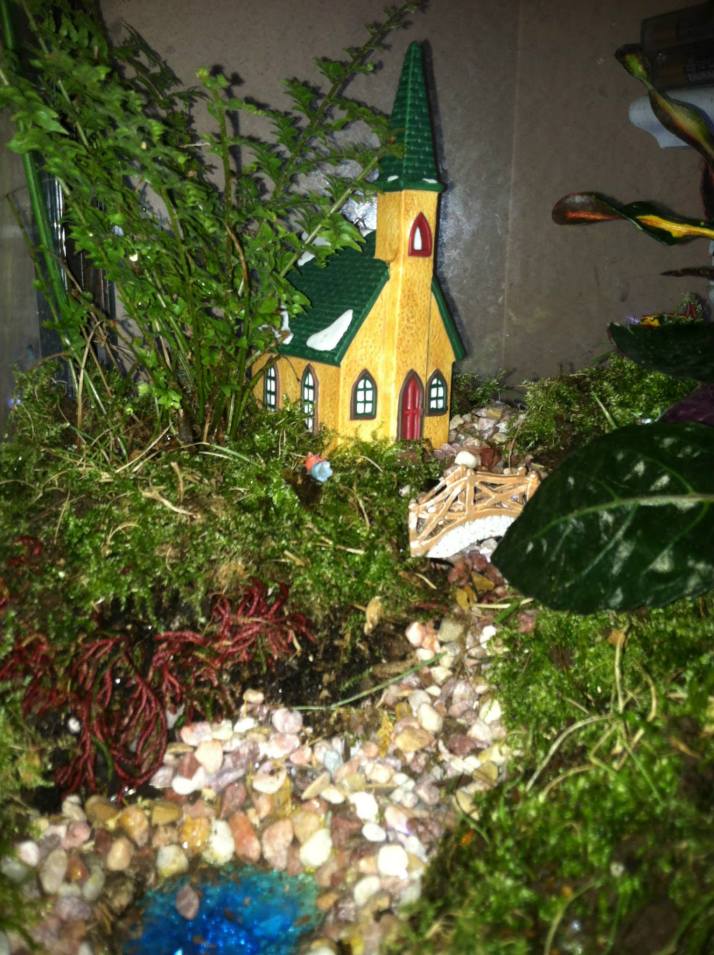
 Every room looks better with plants. Besides being decorative, live plants actually help to clean the air in your home. With this win-win accessory available at affordable prices, there is no reason to avoid placing live plants in every room of your home. There is some care involved but during the Transformational Organization process, we will establish a routine that will assist you in caring for your houseplants. Additionally, there are some indoor plants that require little care and little light. Plan a trip to your local Nursery or Home Improvement Store to get more information on the types of plants that will live well in the available natural light in your home.
Once you have the plants, you will need to find suitable pots for them. This is a time you can “think outside the box” and get creative. Large bowls, wooden boxes, vases and other unused items around your home can be used as pots. If you want to utilize a pot that does not have a hole for drainage, you can purchase a specialized bit for a drill at the local hardware store. This bit will enable you to drill a hole in ceramic, pottery and glass. Ask the store associate where to find the drill bit for this use. Just ensure that you will not be using the pot for any other use once you drill the hole in it.
Pot your plants with a good indoor potting mix. For plants that are more upright and tall, I like to plant other smaller plants underneath so that the soil at the base of the tall plant doesn’t show. You can also use moss to cover the base of the plant to make the plant and pot more attractive. Place the potted plant in an area where it will receive enough natural light and water once weekly. You don’t want to over water plants. You can use the Aqua Globes to help keep the soil moderately moist between waterings. During the winter months, you may want to mist your plants with water from a spray bottle due to the heater drying out the air in your home.
Each spring you will want to repot your indoor plants. You can create your own potting soil as to avoid purchasing potting soil: I made a small version of a compost bin out of a small glass aquarium. I added some dry leaves from the fall and some soil from my larger compost bin and then began adding my kitchen scraps. Then I purchased some worms from the bait store or Walmart in the hunting section. I added these to the bin. Due to the smaller size, I am able to keep the compost aquarium right outside my back door to make it more convenient to add the scraps. I then covered the aquarium with a grate to keep the air flowing. My compost bin is under the eave of the house and does not get much rain but if yours would be out in the open, you will need to cover it with a piece of wood or plastic to avoid too much water getting in. In winter I moved it into my garage to keep the worms from freezing. When you add scraps, take a long wooden or metal spoon (specifically for the compost bin) and stir up the compost to aid in decomposition.
When the scraps have composted and it is time to repot your plants, remove the plants from the pot and put the remaining soil in a bucket. Add 2 cups of compost and mix with the soil in the bucket. Use this amended soil to repot your plant. You can also recondition your old soil by putting it into the compost bin and add dry leaves and kitchen waste. You can even add the paper from your shredder (run your newspaper through your shredder and add this to your composter).
Remember to fertilize your indoor plants according to the information provided with the plant. I like to use the water from my canned vegetables to fertilize my plants. I also use water that I have soaked egg shells in. If you have a freshwater aquarium with fish or a betta bowl, you can use the water from a water change to water your plants. I keep betta bowls just for this purpose. It provides just the amount of fertilizer my plants seem to need; another win-win strategy.
Silk or Artificial Plants:
Artificial plants offer the green/natural look in low-light areas where live plants won’t live. However, artificial plants collect dust! To clean these and rid your home of more dust, fill your kitchen sink with warm water and 1/2 cup of Murphy’s Oil Soap. Dip the plants in the solution but don’t soak them. Swish them around so that the solution coats all the leaves and stem. Then let dry. You don’t have to rinse them. For plants that are too large to put into the sink, use a spray bottle to totally saturate the plant. (You may want to move it outdoors for this). Then let the plant dry. This process will rejuvenate the greenery so that it looks fresh and clean.
Leave a comment The Organizer Advisor's Transformational Organization Process